Five ethics blind spots that could undermine PR's AI future
The global PR profession has produced substantial AI ethics guidance. A close reading reveals five gaps that still need to be addressed.
It started, as the best professional conversations often do, completely by accident.
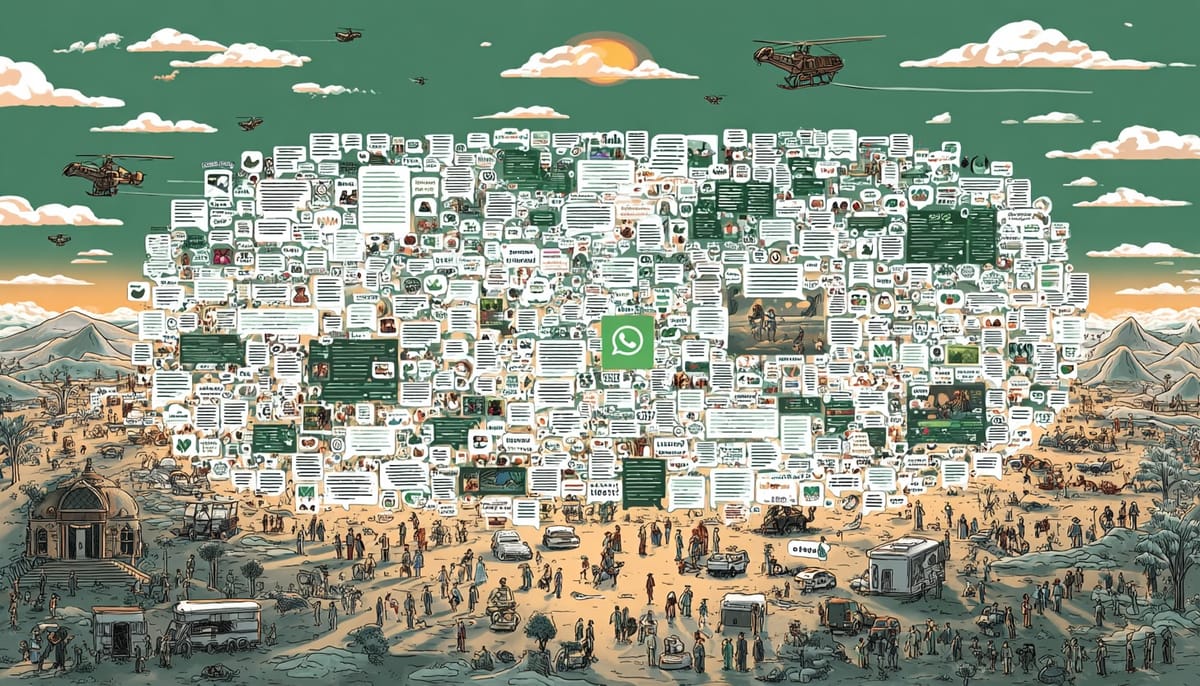
David Gallagher - former Omnicom executive, Folgate Advisors co-founder, and one of the more influential connectors in the global PR community runs a WhatsApp community of 1,200 communications and PR professionals. One of its groups focuses on education and research.
On a Sunday morning, Katerina Tsetsura, professor at the Gaylord College of Journalism and Mass Communication in the US posted a question about AI and ethics. Nothing formal. Stuart Bruce, founder of Purposeful Relations in the UK responded. Then Ana Adi who is professor at Quadriga University of Applied Sciences in Berlin. The thread started moving.
Watching it unfold, I did what felt like the natural next step in 2026: I tasked my AI research agent to find every AI ethics code, framework, and guidance document it could locate across the global PR and communications profession. Not a literature review scheduled for next quarter. Not a commissioned report. A spontaneous research sprint, triggered by a Sunday morning WhatsApp thread among professionals who were simply curious.
What came back was impressive in volume and thought-provoking in what it consistently had yet to cover.