Nvidia's chief asset becomes its biggest liability
Jensen Huang's crisis raises questions on who should manage risk in companies operating at the crossroads of business, geopolitics and national security.
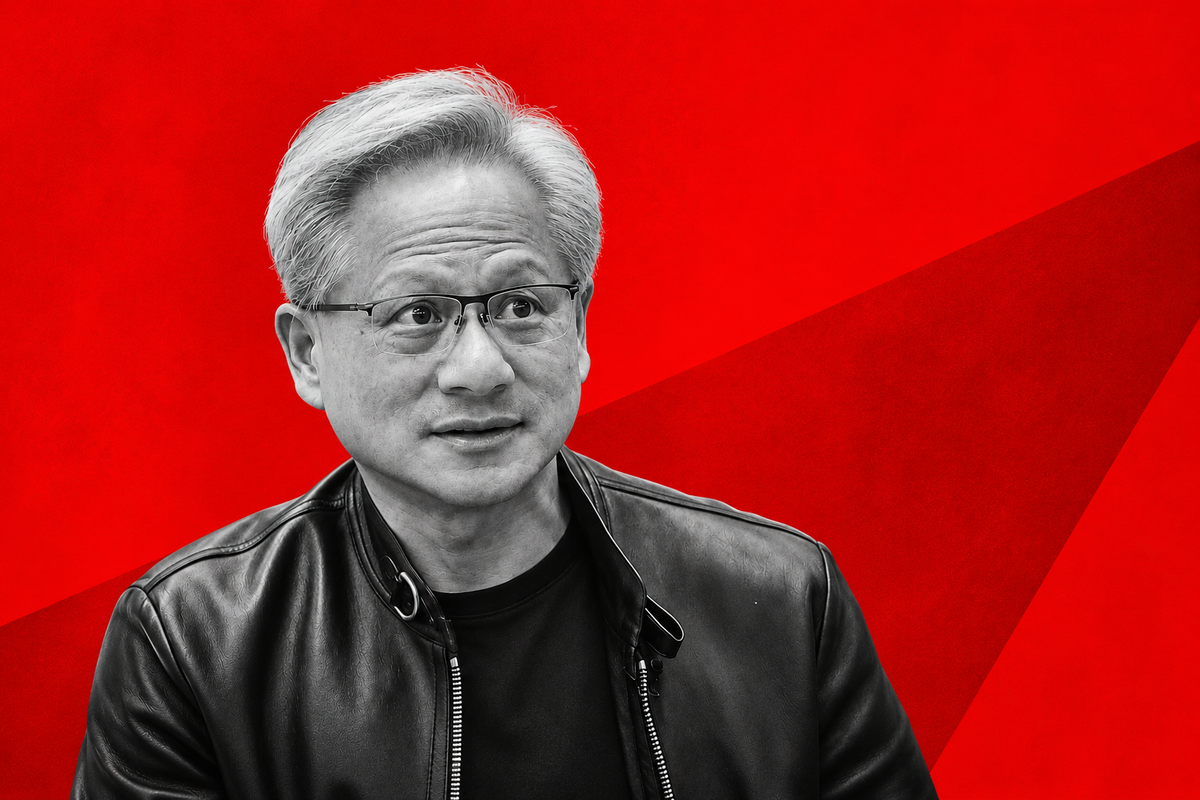
Retail investors are often warned of the dangers of going all-in on individual stocks. Staking one's life savings on a single fallible company would be a foolish gamble. In the corporate world, the same wisdom usually applies to CEOs, who are, after all, human and prone to misadventures. As Nvidia is now demonstrating, when everything, including the brand, centres on the CEO, a single personal indiscretion can spell big trouble.
Since it emerged that Jensen Huang, co-founder the world's second-most-valuable company, might have had affair with a Chinese spy, stakeholders have suddenly become more acutely aware of this risk. In a further twist, Huang is also reported to have had an affair with an Nvidia executive.
He is under investigation by Nvidia's board and the FBI. The facts that emerge will determine his survival as CEO. Investors are spooked. Since the scandal came to light, Nvidia shares have fallen more than 13%. While Huang is understood to have around 60 direct reports, none is a designated successor. Some view him as irreplaceable, while others note that the world has become too dependent on him and his company's products. The multitude of memes poking fun at Huang's situation, while on one level predictable, also speak to the size of his persona: few other chipmaker founders are likely to occupy much space in mainstream public consciousness.