
PRAXIS Africa: The case for reversing the global blueprint 🌍
PRAXIS Africa's debut heard the case for local teams writing the global communications playbook, rather than merely adapting it.
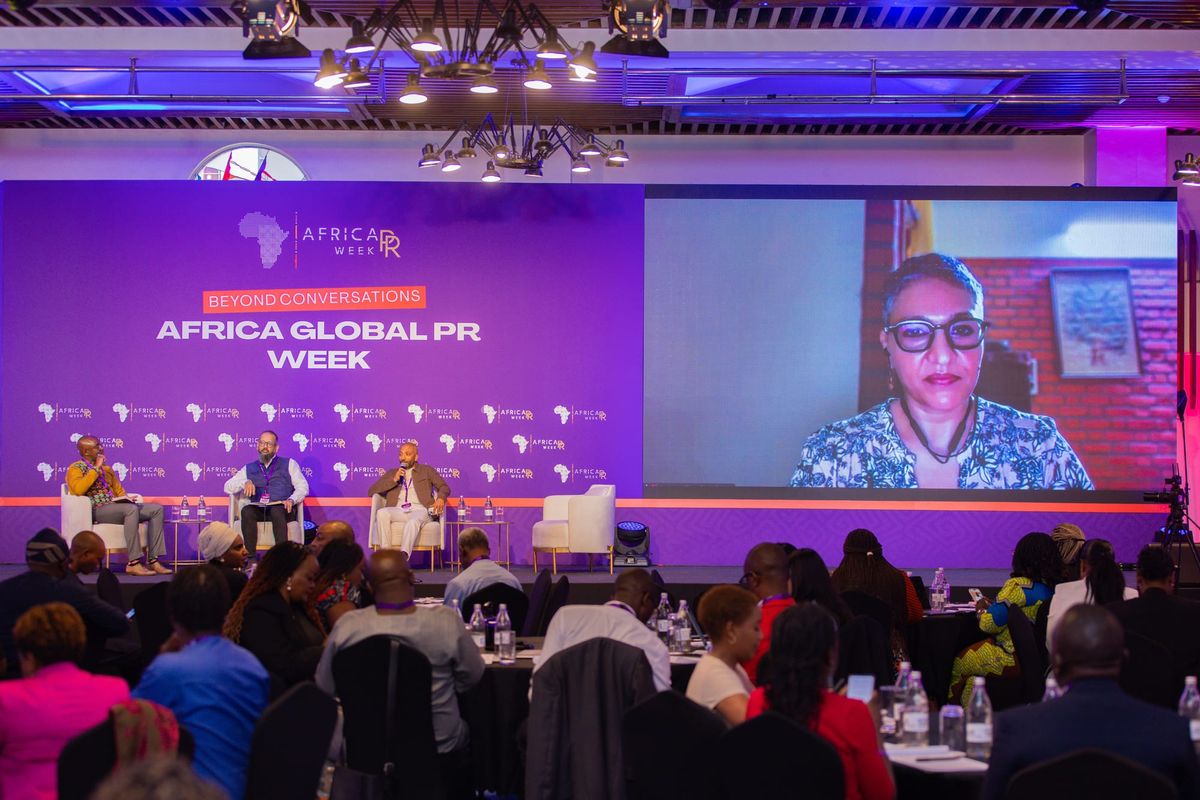
The global blueprint is no longer fit for purpose, argued communications leaders from across the Global South as PRAXIS made its African debut in partnership with Africa PR Week in Nairobi earlier this week.
Neither is better localisation the fix that global corporates might assume, heard delegates at the event. "Africa must not continue taking the top down approach," said Lilian Nganda, Maersk IMEA head of customer communications and events, while detailing a common frustration with MNC PR plans.
"I want to be in a room where we're saying we've worked on the blueprint for Kenya or for Nigeria, and that is picked up and grown into the global blueprint."
Not only are global frameworks viewed as culturally insensitive, but they also risk undermining strategy in local markets as complexity and nuance become ever more important. "Too many organisations confuse consistency with uniformity," noted Ramya Chandrasekaran, chief communications officer at QI Group. "The local teams, wherever they are, are not units at the end of the chain. They are the sources of your strategy."
What headquarters should supply is "a very strong spine, not a straitjacket," added Chandrasekaran, noting that messaging can be "technically perfect but still culturally wrong." For example, she pointed out that countering misinformation in parts of West Africa through rebuttals issued from headquarters had proved markedly less effective than working through local partners and existing stakeholder relationships. "Reputation may travel across the border, but legitimacy has to be earned market by market."
Building communications strategies from the ground up, however, may not be quite as straightforward as it appears. The Practice Group CEO Girish Balachandran pointed out that effective public relations is better designed from a community rather than for one. "When we design for a community, we're already walking in with a pre-tested solution," he said, noting that focus groups are far less effective than "actually listening at chai shops, in farmlands and urban slums."
"Context is not a constraint," added Balachandran. "Context is the content."
"Learn to talk like humans"
That mindset, importantly, requires an understanding that the messenger is often as important as the message. In Global South markets, in particular, communications is often about trusted relationships before information.
"We don't just put out a message," said Balachandran. "We also put out a messenger who is trusted and believed by the community."
"It's very simple to submit a message," agreed Global Energy Alliance Africa communications director Benson Kibiti, who is charged with making climate science more understandable at a grassroots level. "You can have a very good message, but the person you choose to pass that message to really matters."
Fewer than 5% of the world's population, said Kibiti, reads the UN's climate reporting, which is often couched in vocabulary that is difficult to understand. "When someone talks about decarbonisation, that's pure jargon," he said.
Working with mini-grid developers in Nigeria, Kibiti's teams stopped talking about emissions altogether. Instead, solar and battery installations were pitched on what they deliver locally, in terms of power for clinics and refrigeration for vaccines. "Learn to talk like humans," he said.
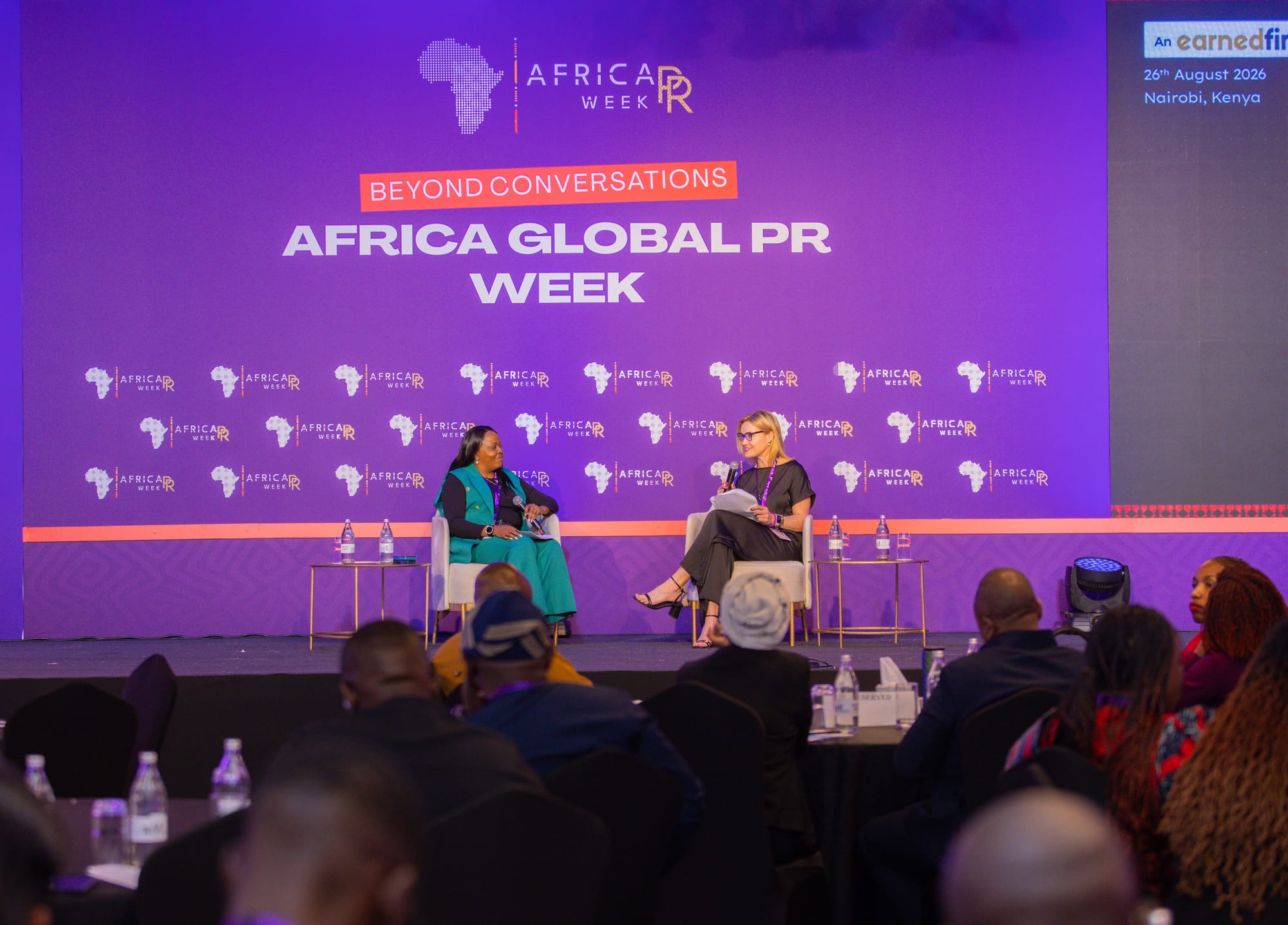
In conversation with We.Communications MD Sarah Gooding, meanwhile, Nganda discussed why media fragmentation and GEO make the case for local authorship more urgent. We's Future of Communications put consumption of social and video news across Africa above 65%, up from 52% in 2020, with 46 of the top 50 global news sites losing direct traffic to feeds, video streams and messaging apps.
"Decentralised communication still needs a central point," explained Nganda. "Your press release needs to survive the WhatsApp groups. It needs to survive the age of screenshots."
Nganda was similarly unsentimental about the industry's enthusiasm for unscripted leadership, amid the finding that 44% of audiences prefer executives who speak off the cuff. "Let's not mistake authenticity for spontaneity," she said. "Authenticity means not shying away from the hard questions." Through the Red Sea disruption and the Strait of Hormuz crisis, her team collected close to 100 customer questions and answered them on a live call. "Where we didn't have an answer, we were honest."

Comments ()