
PRAXIS MENA: Why brands can’t buy relevance
Brand and agency leaders argued that relevance cannot be bought through spend or scale alone, pointing instead to culture, consistency and earned trust as the real drivers of attention.
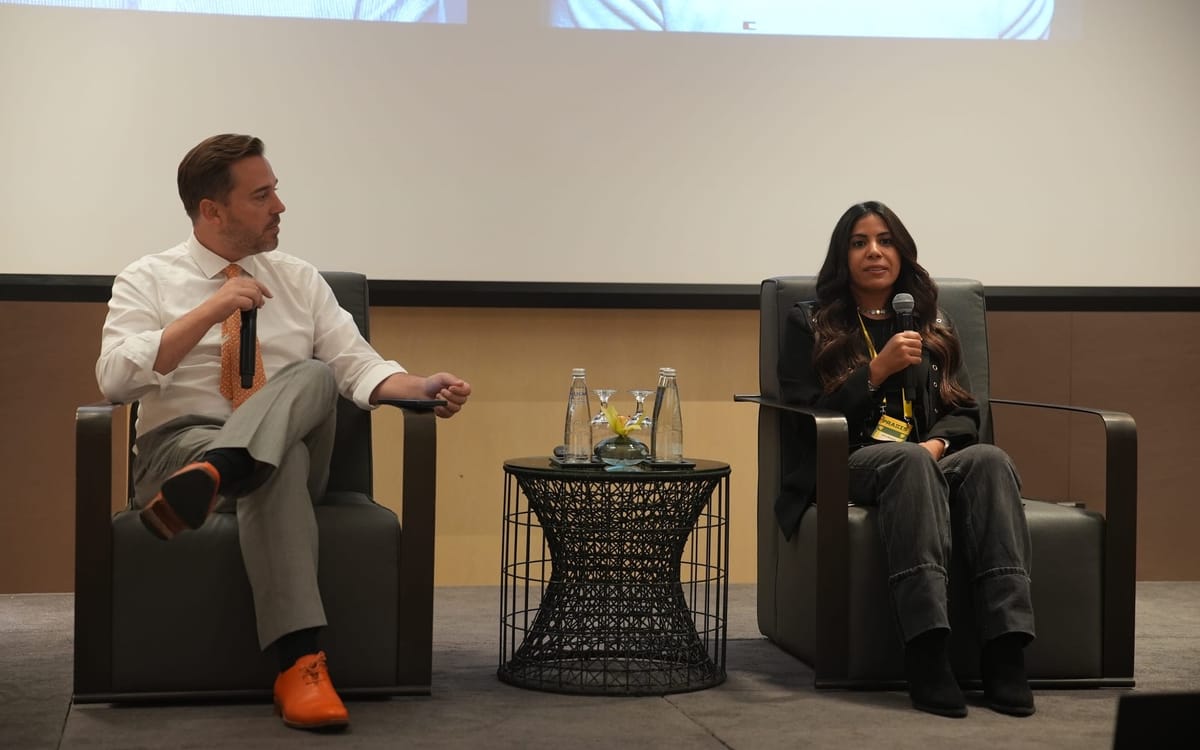
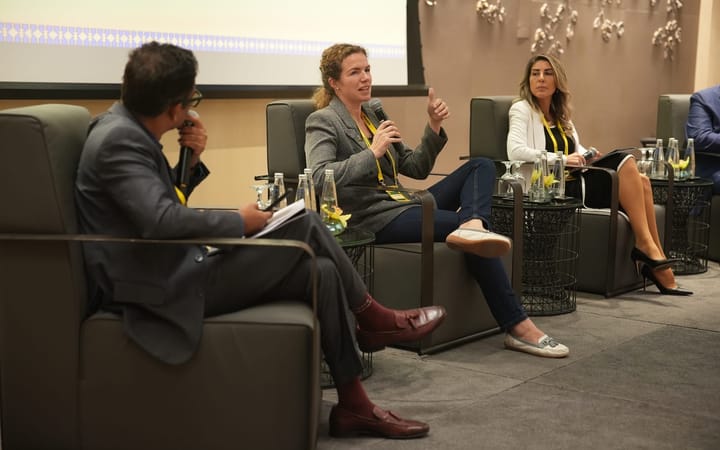
As a big brand, it's easy to assume that money can achieve anything and everything, including command attention. In an interview with Maclean Brodie, CEO of MSL Middle East, at PRAXIS MENA in Abu Dhabi on Tuesday, Mira Medhat, head of marketing for Gulf Beverages at Pepsico, reminded industry leaders that it can't.
"The biggest mistake [around how relevance is created] is that people think you can buy attention," she said. "You need to earn attention. Culture is a way to earn attention... An algorithm can help you get the reach, but you need to have earned the attention of consumers to begin with."
Medhat offered an explanation of how Pepsi builds relevance in the Middle East as a global brand. "Pepsi's passions are music, food and sports, so how we get into each market is to build on those passion points" in a way that connects with local interests, she said.
She gave the example of launching Pepsi's 'Wild Cherry' drink in the UAE shortly after it had debuted in the UK. The move was prompted by the sudden popularity of cherries in the market in 2025 and drew on the appeal of various local influencers and the Untold Dubai music festival.
"We did not go with a mass launch but went to content creators who represent what the brand is... People trust people more than brands so if you go to a person who is the right fit the engagement is much higher than if you launch the product alone."
Brodie pointed out that too often, brands take a heavy-handed approach when trying to be on the same level as consumers."So many brands want to be in the room like the Kool Aid man," he said. "They bust down the wall and then it feels awkward."
To try to avoid this, Medhat said Pepsi doesn't "just sponsor events" but looks to provide "money-can't-buy experiences" such as backstage access to artists. She added that quantitative data only goes so far as a guide to how best to connect with consumers.
"Nothing helps us understand better than face-to-face interactions. You can look at screens for as long as you want but when you sit with people in the room, this is when you get the answer to 'why'."
"We need to get away from our desks," Brodie agreed. "You're either participating and helping to create the culture, or you're just another drone behind a laptop."
Spending too much time in the office is one issue that hampers creative thinking. Another is the tyranny of formats. "There's a lot we [the industry] have to learn" about leading creativity, said Joe Lipscombe, partner of The Romans in MENA, in a conversation with Sukriti Godiwala, social media lead at Wio Bank. "We are really restricted by thinking in formats. We think format first."
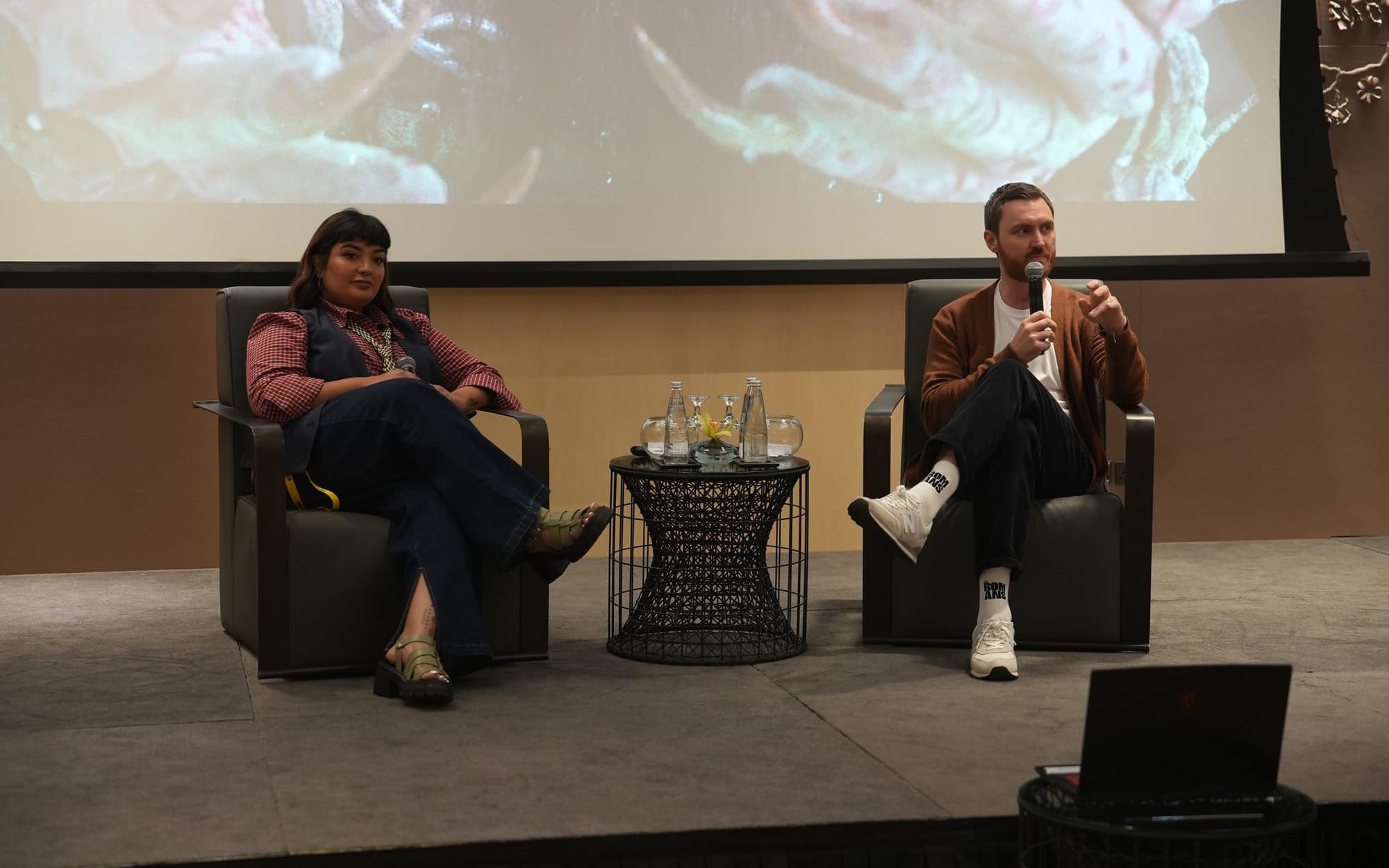
Lipscombe said he is energised when the response to a piece of work is, 'Is it really PR?'. "Even from a contractual perspective you can diminish the value you can have by being format-centric," he said. "Anything can be a platform for a good PR campaign and that doesn't happen here. You're teaching a generation of people to think in very confined ways. Our Ogilvy office here was ranked one of the best in the world, then it split in half, and we had a team for 10 years that had no idea what to do on social media."
Godiwala noted that even today, "social sometimes sits under Brand, sometimes under Marketing, but never under PR. That to me is strange, and we are far away from where we should be."
In the Middle East, procurement rules with an iron fist, Lipscombe indicated. "We meet a lot of clients where the PR team is desperate to create something original and conceptual," he said. The only answer is to adapt to the reality and as an agency, focus on craft and product and "keep barging your way through the door", sometimes by investing in a piece of work yourself to show what you are capable of.
Good work has many definitions, and it need not always involve "going viral" as often as many people seem to think, Godiwala concluded. "Consistency is more important. It's an underrated principle that people forget about. You don't have to be consistently brilliant, just consistent... It helps you measure results better as you're basing your metrics on a collection of things that you did well, not just one."
That emphasis on consistency also shaped how other speakers approached the question of relevance. Mubadala deputy CCO Umayma Abubakar said organisations often undermine relevance by over-indexing on long-term thinking at the expense of present needs.
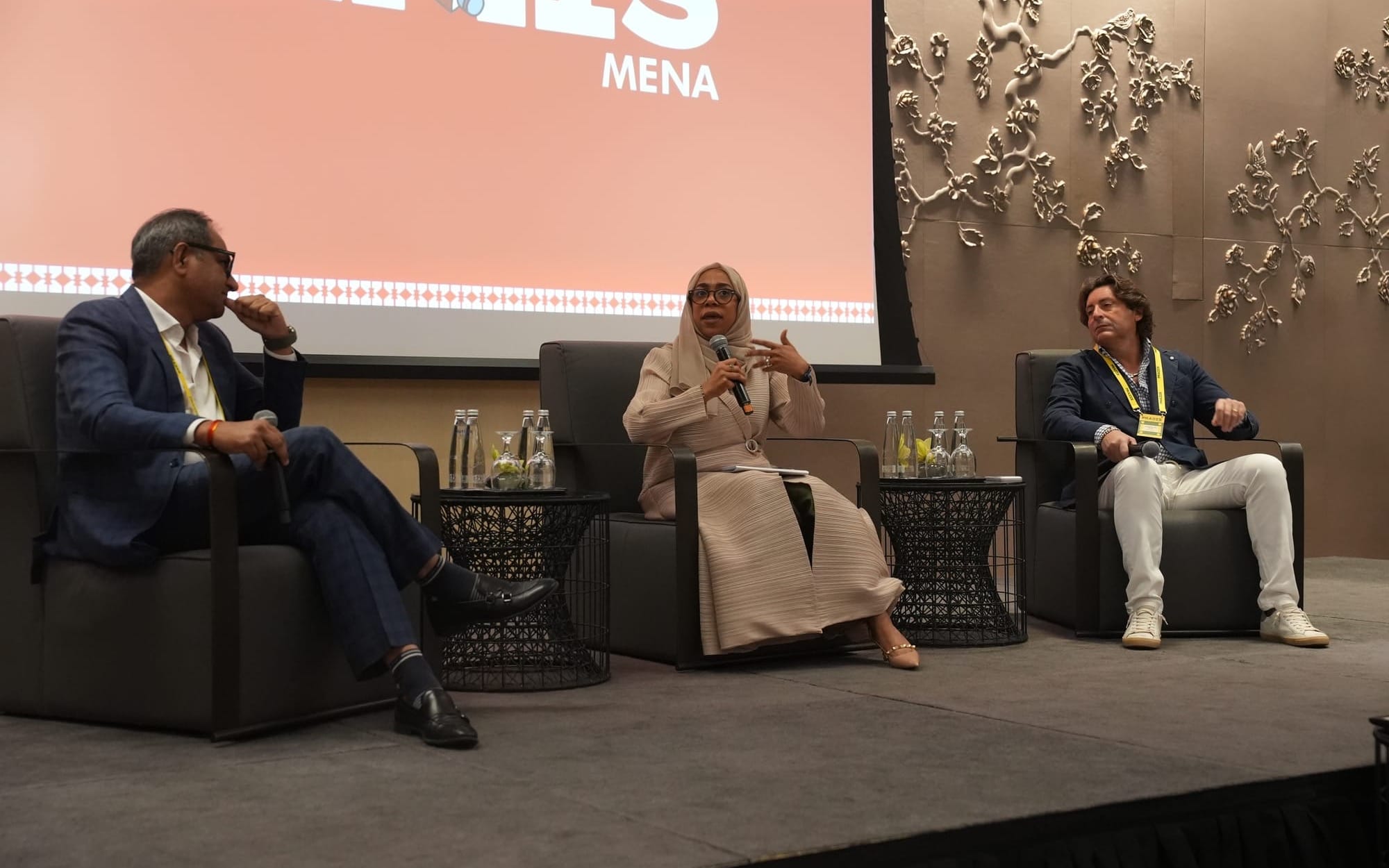
"By default, our ethos is about thinking long term – but you cannot be relevant if you ignore what’s required today," she said. Impact, she added, requires alignment across disciplines. "In order to be relevant and impactful, you need the full ecosystem – deal-making, thought leadership, and brand building all working together, not just messaging."
RAK Ceramics marketing head Leonardo De Muro, meanwhile, linked relevance directly to reputation and trust, arguing that listening is a prerequisite for both.
"If you want to be a trustable company based on reputation, you have to listen and you have to take very seriously what is coming from others," he said. For newer or less established brands, he warned, the alternative is commoditisation. "When you are unknown and young as a brand, you have to build up your reputation, otherwise you just become one of a million companies in the market, fighting only on price."

Comments ()