
PRAXIS MENA: Trust in healthcare is no longer institutional
Healthcare leaders described a future in which trust, information and decision-making increasingly sit with the individual.
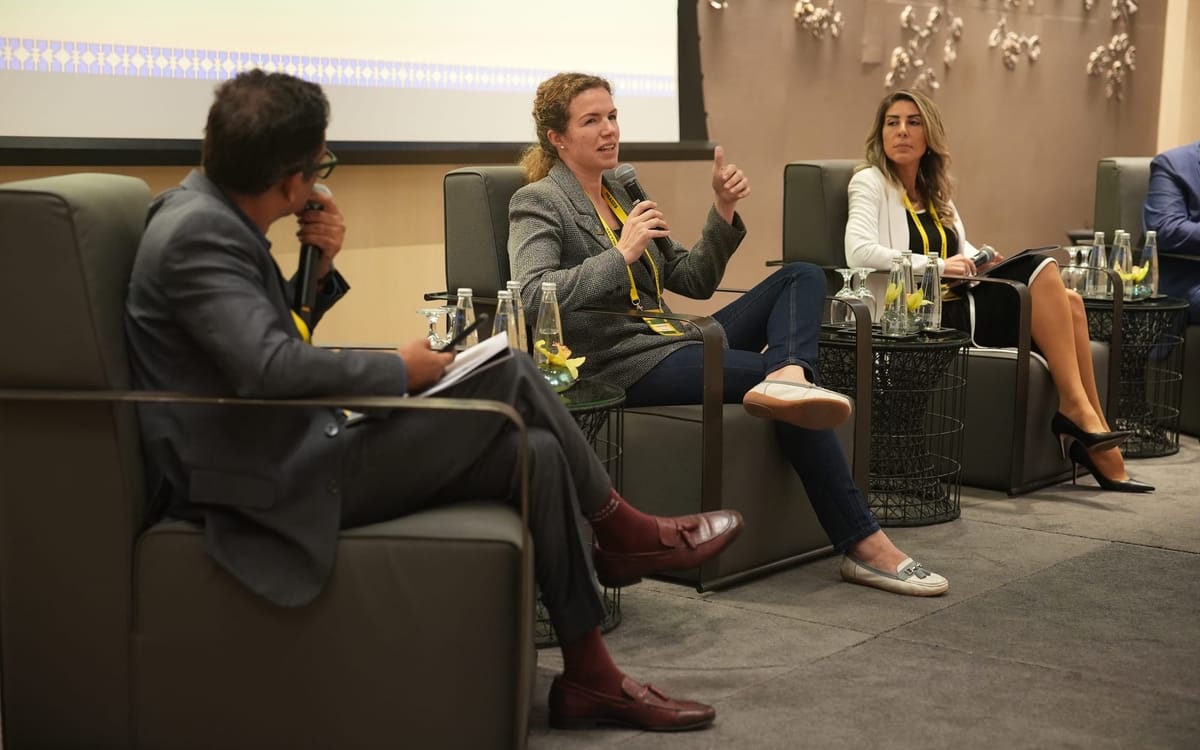
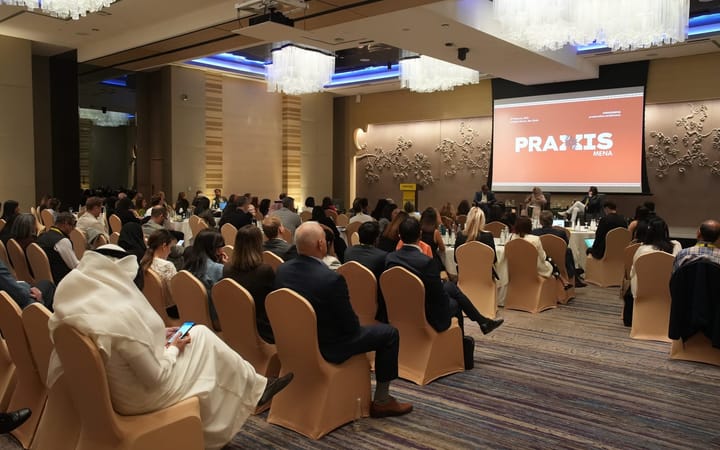
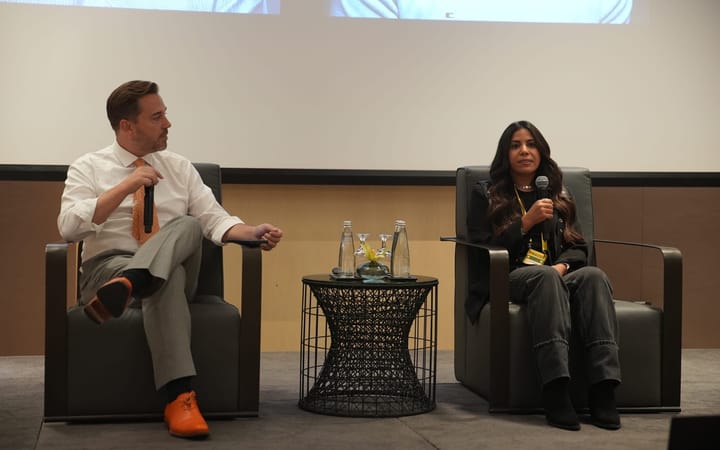
The role of healthcare providers and the way they create trust among patients are both undergoing a profound shift, according to healthcare communications leaders who assembled at PRAXIS MENA in Abu Dhabi on Tuesday.
Where healthcare systems established in the 20th century focused on diagnosis and treatment of acute disease, they must reckon with the fact that chronic disease is now at the centre of the global healthcare burden, explained Sophie Smith, founder and CEO of Dubai-based Nabta Health. This means treating "the whole person" rather than isolating an ailment.
In parallel, the way people access healthcare information is changing, from generic and centrally controlled to individually tailored. "The nexus of trust is shifting and is never going back," Smith said.
She added: "It alters the trifecta that has created trust in healthcare systems in terms of the quality of care, cost and time it takes. When the global population knows they can access it faster, that's the expectation. If they accessing quality diagnostics themselves, trust in the established healthcare system erodes. The trust that used to be exclusively held by providers is transferring to the individual, and they will become the majority custodian of trust in healthcare settings."
A positive change in the approach of healthcare providers from an individual perspective is greater attention to disease prevention, observed Dr David Bearss, CEO of Halia Therapeutics. "The future of medicine is keeping people healthy," he said. "It's changing the idea of waiting for you to get sick. We don't know that much about why people stay healthy because we've mostly studied how people get sick."
Bearss said through the Department of Health, Halia identifies and contacts people it determines are at risk of disease based on factors such as genetics and invites them for screening. That is the first step. Beyond that, effective communication is vital to ensure patients look at a treatment holistically — something that a diet of social media information is unlikely to support.
"Conversations have moved from scientific to social media," said Aman Gupta, managing partner of SPAG Finn Partners. "You have experts talking about obesity and what needs to be done. It's become more of a social conversation."
This carries challenges. "If people don't couple obesity drugs with lifestyle changes, they will regain the weight they lost within 14 months," noted Smith. She likened upholding health to a car MOT, and said that "in this socially motivated environment, government-backed support is really critical".
The fact that healthcare remains tightly regulated means there are limits on the provision of information, Maysoun Ramadan, global head of patients and society at Roche, reminded the audience. "We want to invite people for screening and create good contact but let's not forget... there are background considerations. Not all levels of information can be shared in healthcare."
The challenge for communicators is balancing scientific rigour with the need to reach the right people. "In medicine, if it sounds too good to be true, it is," said Bearss. "These medicines [such as weight-loss drugs] always have profound implications. There's always going to be a cost associated with it. You're competing with a sensationalist who says, give yourself a shot and lose all this weight."
He noted that podcasts are a key source of medical information for many. But whatever the channel, the information needs to be readily understandable and balanced. "Putting it in the right context is important, and telling both sides of the story... [As a patient] you've got to be able to make a decision: is the cost worth it for me."
For communicators, it's also important to recognise that treatments are not universally effective. A treatment that worked in the US, for instance, proved ineffective in Saudi Arabia, Smith pointed out, while even in the US, "the top 10% of drugs only work for a fraction of the population because of genetics. We need to be conscious that we are making assumptions that are only true for a small percentage of the population."
Ramadan highlighted the need for healthcare providers to partner with governments to disseminate information to all who need it, especially those living in rural areas.
"Your options are determined by where you live," said Bearss. "You may not have access to the things that could heal you. It's not just a question of cost. But people can use their voice. It should be a basic human right that we have access to healthcare, and that will has to come from the bottom up."
Comments ()