
Ethiopia’s untapped potential 🇪🇹 | Partner Content
In this edition of Independents’ Day — Earned First’s monthly series in partnership with PROI — Zeleman Communications’ Zelalem Woldemariam on why constraints sharpen creative ambition, and what Ethiopia’s story means for the future of Africa’s creative economy.
In a monthly column called Independents' Day, Earned First is partnering with PROI to explore how independent PR firms are navigating industry disruption while preserving their competitive edge.
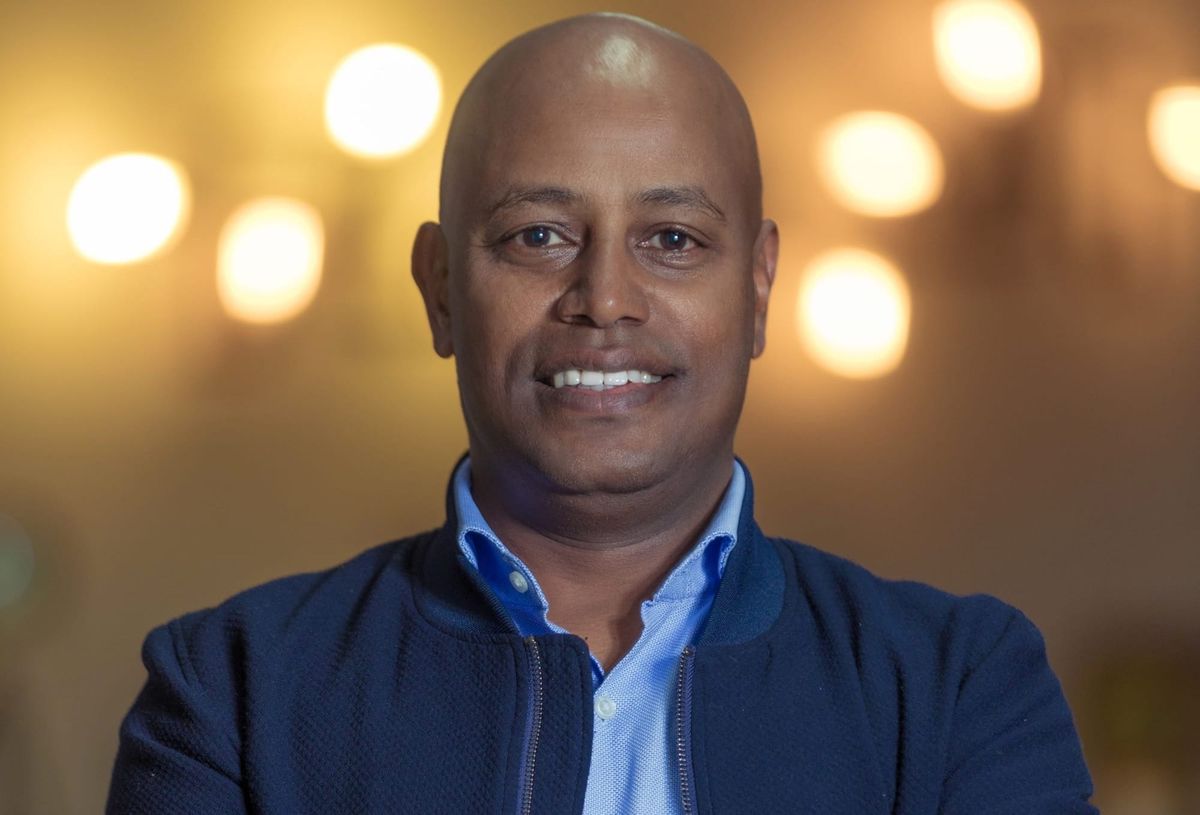
In the 13th instalment of Independents’ Day, Zelalem Woldemariam, CEO and chief creative director of Zeleman Communications, reflects on building one of Ethiopia’s leading integrated communications agencies — and why Africa’s creative economy needs institutions, not just talent.
- Zeleman started as a production company and evolved into a full-service integrated communications agency. What did that transition demand of you as a leader, and at what point did you know the original model needed to expand?
I began my creative journey as a filmmaker, with a professional background in marketing. That combination gave me a broader understanding of what clients needed, and increasingly they approached us not only for production, but for campaign and marketing support.
To deliver at the standard we wanted, I began building a multidisciplinary team. In many ways, that was the start of Zeleman’s evolution into an integrated communications agency.
For me as a leader, it meant learning to delegate, investing ahead of demand and creating a culture where strategists, creatives, producers and account teams could challenge one another while working towards the same objectives. The biggest shift was moving from being central to every decision to building an organisation capable of making strong decisions without depending on one individual.
- Ethiopia is often discussed in terms of its challenges, whether political volatility, infrastructure gaps or economic pressure. But you've built a significant agency here. What does the communications opportunity in Ethiopia actually look like from the inside?
Ethiopia is a vast market of more than 130 million people, around 70 percent of whom are under 30. It is one of the world’s oldest nations, with extraordinary cultural depth and heritage, yet it is also opening rapidly to the world. That combination of scale, youth, heritage and transformation creates enormous opportunity.
Major global brands are entering the market, while Ethiopian businesses are becoming more ambitious. Yes, we face political, economic and infrastructure challenges, but the opportunity is greater than the challenges.
Consumers are also becoming more informed and discerning about the brands they engage with. Businesses need to build trust, explain change and communicate across linguistic, cultural and geographic differences. Global companies entering Ethiopia quickly discover that communications developed elsewhere cannot simply be imported and expected to work here.
Zeleman has succeeded because we combine deep local knowledge with international exposure and standards. We help clients understand the nuances of the market, avoid superficial assumptions and create work that genuinely connects with people.
To me, Ethiopia remains a market of enormous untapped potential, and those who understand it are best positioned to help shape its future.
- Creativity is central to how you talk about Zeleman's identity. In a market where resources and infrastructure can be unpredictable, how does creative ambition survive commercial reality?
When creativity is treated as a way of solving problems, rather than an expensive addition to a project, it can flourish. Constraints are real, but they can sharpen our thinking. A limited budget or unpredictable production environment forces us to identify the strongest idea and become more inventive in bringing it to life.
Creativity also requires discipline. We need to understand the client’s commercial objectives, agree on what success looks like and protect the integrity of the idea while working within the available time, budget and infrastructure.
Creative ambition does not always mean producing something large or costly. It can be a culturally precise insight, a familiar story told from an unexpected perspective, or a simple idea executed exceptionally well.
The key is not allowing constraints to become an excuse for compromised thinking. Commercial reality should shape the execution, but it should never diminish the ambition of the idea.
- African brands increasingly compete regionally and globally. What does that require from a communications standpoint, and where do Ethiopian brands have a stronger story to tell than they often realise?
To compete internationally, African brands need to meet global standards while maintaining a strong sense of identity. That requires disciplined positioning, sophisticated digital capabilities and communications that work across cultures. But becoming globally competitive should not mean removing everything distinctive about where a brand comes from.
Ethiopian brands have powerful stories to tell about origin, heritage, craftsmanship, resilience and community. Ethiopia is recognised as the birthplace of coffee, but our story extends across agriculture, art, music, cuisine, hospitality, athletics and centuries of independent history.
Yet we do not always translate these strengths into modern, confident brand narratives. Too often, we tell people what a product is without fully expressing where it comes from, what it represents and why that matters.
The opportunity is to present Ethiopian identity in a contemporary way, without reducing it to stereotypes or nostalgia. When brands combine authentic stories with excellent products, sophisticated design and consistent communication, their origin becomes a powerful competitive advantage.
- There's a broader narrative emerging about Africa's creative economy as a genuine global force. What is required to make that structurally sustainable, and how can firms like yours help?
Africa has no shortage of creative talent. But talent alone cannot build a sustainable creative economy. It needs an ecosystem around it: relevant education, professional standards, intellectual-property protection, access to finance, reliable technology and production infrastructure, and stronger pathways to regional and global markets.
We also need to invest across the creative value chain, from strategy, writing and design to production, technology and business management. Creative professionals need not only artistic skills, but the ability to build businesses, manage intellectual property and reach wider markets.
Greater collaboration across Africa is equally important. Our countries have distinct cultures and creative traditions, but many of our structural challenges are shared. Exchanging knowledge, developing regional partnerships and commissioning work across borders can create the scale needed for long-term growth.
This conviction is one of the reasons I launched CRAFT, a festival dedicated to the creative economy and innovation. It brings together creators, entrepreneurs, businesses, institutions and policymakers to exchange ideas, build partnerships and explore how creative potential can become sustainable economic value.
Firms like Zeleman have a role to play by building sustainable careers, developing emerging professionals and demonstrating that world-class creative work can be conceived and produced locally.
Africa’s creative economy will become truly sustainable when we move beyond celebrating individual success stories and build the institutions, businesses and networks that allow success to be repeated at scale.
- PROI gives Zeleman access to a global independent network. What does that partnership unlock in practice, and what does Africa's perspective, and Ethiopia's specifically, contribute to a network that has historically been weighted toward Western markets?
PROI gives us access to trusted expertise, market intelligence and capabilities across many countries, while allowing us to retain the independence and local character that make us valuable. It means we can support clients across borders, draw on specialised knowledge and exchange ideas with agencies operating in very different markets.
But the value is not one-directional. African agencies have deep experience communicating across extraordinary cultural, linguistic and economic diversity. We are accustomed to complexity, rapid change and innovating under constraint. Those capabilities are increasingly relevant everywhere.
Ethiopia brings a particularly distinctive perspective. It has its own history, institutions, languages and cultural references and does not fit neatly into many conventional narratives about Africa. We can bring the network a more nuanced understanding of one of the continent’s most significant markets, while also challenging assumptions about where expertise and innovation originate.
The best global networks are not those where knowledge flows from established markets to everyone else. They are communities where every market is recognised as a source of insight. Our role is both to learn from PROI and to broaden the network’s understanding of Africa through our experience in Ethiopia.


Comments ()